
Collective Impact is defined as “the commitment of a group of important actors from different sectors to a common agenda for solving a specific social problem.” The process of forming these initiatives involves building a strong foundation, initiating action, organizing for impact, and sustaining action. Common attributes of these projects include:
 arted early on and continue to flow in. You were given special recognition at the annual shareholder meeting. Today, you see in the Wall Street Journal that your company, second in its segment, is acquiring the third place firm. You stand by for a call to action by the CEO, but the phone never rings. You know that failure rates in these projects are between 50 and 85 percent. One KPMG study found that 83 percent of these deals hadn't boosted shareholder returns, while a separate study by A.T. Kearney concluded that total returns on M&A were negative.2 Sounds like a high risk proposition. What might you and your team’s role be in a merger-acquisition project? How might you get engaged?
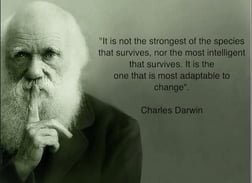 matters in a competitive marketplace. If we were to develop a scoresheet for these projects, it would have three major elements:
 To attend a webinar on this topic or other topics covered in Focusing Change to Win go to